Complete Guide to Reliable Brake Line Repairs for Daily Vehicles
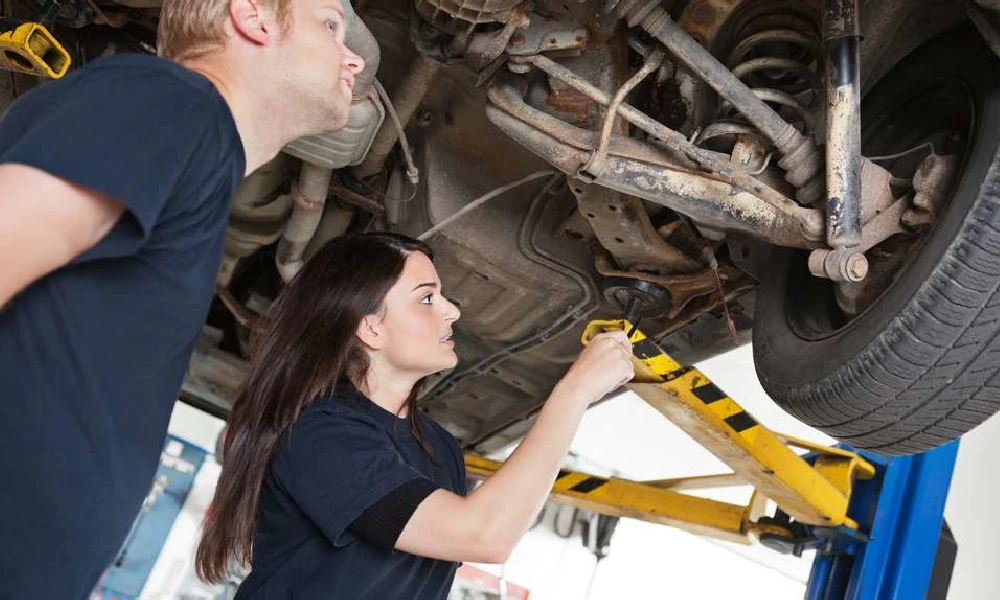
Why small brake line issues should never be ignored
Most drivers notice brake problems slowly. The pedal may feel softer one week. A tiny fluid spot might appear near the tire the next time. Then suddenly the car does not stop as smoothly as before. Brake systems rarely fail without warning signs. The problem is that many people wait too long before checking the lines. Rust, moisture, road salt, and vibration all wear brake tubing down over time. Once damage spreads, even a short drive can become risky. That is why smart repairs matter long before a full brake failure happens.
Many modern repairs are now simplified with brake line repair kits that help drivers replace damaged sections with greater accuracy and less stress. This guide explains how repair kits improve brake line work, what steps help avoid common mistakes, and why careful preparation creates safer results. You will also learn how proper fittings, clean cuts, and steady installation habits improve long-term performance. Let’s be real for a second, nobody wants to fix the same brake leak twice because one fitting was rushed. Good repair work saves money, protects the vehicle, and helps drivers feel more confident every time they hit the road. That peace of mind matters more than people think, especially during daily driving or sudden emergency stops.
What makes brake line repairs more reliable over time
Brake systems depend on stable pressure from start to finish. A weak connection can slowly reduce braking strength without obvious warning signs. That is why repair quality matters far beyond appearance alone. Strong brake line repairs help maintain consistent fluid movement during every stop. They also reduce the chance of leaks forming after heavy use. Drivers often focus only on pads or rotors, but damaged lines create serious trouble too. One loose fitting can affect the entire system faster than expected.
Many repair problems begin with poor preparation before installation starts. Uneven cuts, dirty fittings, or incorrect bending angles often lead to sealing problems later. You may think a small mistake will not matter much. Then the fluid starts leaking after pressure builds inside the line. That situation becomes frustrating quickly.
A few important steps improve repair quality:
• Cut tubing evenly before fitting
• Remove rough edges carefully
• Match fittings correctly
• Check for line movement
• Tighten connections steadily
Repair kits help organize these steps more clearly for beginners and experienced users alike. Some kits also include fittings and bending tools designed for common brake systems. This reduces guesswork during installation. Cleaner repairs usually last longer and create fewer problems during future inspections. Better habits often matter just as much as better tools.
How proper brake line kits reduce repair stress quickly
Brake repairs can become messy when parts do not fit correctly. Separate fittings waste time and create confusion during installation. Complete repair kits simplify the process by keeping important components together. That helps drivers work more confidently from start to finish. A more organized setup also reduces delays during repairs.
Many drivers feel nervous about touching the brake lines at first. That reaction makes sense because braking performance directly affects safety. Still, repair work becomes easier when the right parts are available before starting. Good kits support cleaner connections and smoother installation steps. They also reduce the need for repeated trips to retrieve missing hardware. Nobody enjoys stopping mid-repair because the fitting size is wrong.
Several features make repair kits more practical:
• Multiple fitting options included
• Tubing designed for brake systems
• Better line flexibility during bending
• Faster installation process
• Improved sealing performance
Another advantage involves consistency during repairs. Matching parts from one kit often fit together more smoothly than mixed components from different brands. This creates cleaner alignment and steadier pressure control. Drivers also save time during maintenance because replacement sections can be installed more efficiently. Reliable repairs help vehicles stay safer during everyday driving conditions.
Why careful installation matters more than expensive tools
Expensive tools alone do not guarantee strong brake repairs. Careful installation habits still matter the most during brake line work. Rushing through the process often creates leaks, weak fittings, or uneven pressure flow. Taking extra time helps every connection perform better over the long term. Small adjustments during installation can prevent major headaches later.
Line routing is one detail many beginners overlook. Poor routing may place extra stress on the tubing during driving. Vibration and heat exposure can slowly weaken brake lines if they are improperly installed. That is why proper positioning matters alongside clean fittings and secure tightening. A strong repair should support both safety and durability.
Before finishing the job, always inspect these areas:
• Fitting tightness and alignment
• Line clearance near moving parts
• Smooth bends without kinks
• Signs of fluid leakage
• Stable brake pedal response
Testing the system after installation is just as important as the repair itself. A careful inspection helps catch problems early before road use begins. Drivers who focus on accuracy instead of speed often achieve better long-term results. Cleaner brake line repairs improve safety, reduce stress, and help vehicles stay dependable during daily use.
Where safer brake repairs begin for everyday drivers
Reliable brake performance starts with careful decisions during repair work. Strong fittings, proper tubing preparation, and steady installation habits all play an important role in long-term safety. We explored how repair kits simplify brake line work, why preparation affects performance, and what installation habits help reduce future leaks. These details may seem small during the repair process, yet they directly influence how safely a vehicle performs on the road. A little extra patience now can prevent major problems later. If you are planning future brake maintenance, taking time to use better repair methods can make every drive feel smoother, safer, and far less stressful in the long run.