Electric Dreams: The Future of Autos Revealed
Introduction & Background
The automotive industry stands on the brink of a revolutionary transformation, driven by rapid advancements in electric vehicle technology. As concerns about climate change, air pollution, and fossil fuel dependency grow, the shift toward electric vehicles has become more than just a trend. It represents a fundamental change in how we think about transportation, energy consumption, and environmental responsibility. Governments worldwide are setting ambitious targets to phase out internal combustion engines, while consumers are increasingly embracing the idea of cleaner, quieter, and more efficient vehicles. This movement toward electrification is not merely about replacing gas-powered cars with battery-operated ones. It is about reimagining mobility for a sustainable future, where technology and sustainability converge to create vehicles that are smarter, safer, and more connected than ever before.
The significance of this shift cannot be overstated. Electric vehicles, or EVs, are at the heart of a broader ecosystem that includes renewable energy sources, smart grids, and intelligent transportation systems. With major automakers investing billions of dollars into EV research and development, the future of autos is electric. This transition promises to reduce greenhouse gas emissions, improve energy efficiency, and even reshape urban landscapes by minimizing noise pollution and traffic congestion. As the world moves closer to a zero-emission future, understanding the trajectory of electric vehicles becomes essential for consumers, policymakers, and industry leaders alike.
Concept & Overview
The concept of electric vehicles is rooted in the principle of using electricity as the primary power source to propel a vehicle, rather than relying on gasoline or diesel engines. At its core, an electric vehicle operates on a simple yet powerful idea: converting electrical energy stored in batteries into mechanical energy to drive the wheels. This process is made possible through electric motors, which are not only more efficient than internal combustion engines but also produce zero tailpipe emissions. Unlike traditional vehicles that require complex transmissions and exhaust systems, EVs operate with fewer moving parts, reducing maintenance needs and enhancing reliability.
The technology behind electric vehicles has evolved significantly over the past decade. Early electric cars were limited by battery capacity, range anxiety, and charging infrastructure. Today, advancements in lithium-ion battery technology, regenerative braking systems, and energy-dense battery packs have addressed many of these challenges. Modern EVs can travel hundreds of miles on a single charge, recharge in a matter of minutes, and integrate seamlessly with renewable energy sources. Additionally, the integration of artificial intelligence and machine learning has enabled features such as predictive maintenance, autonomous driving, and smart energy management, further enhancing the appeal of electric vehicles.
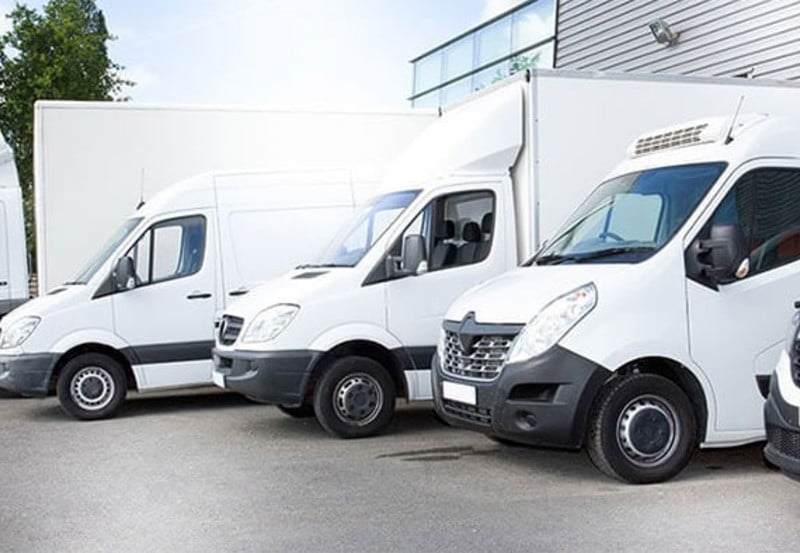
Beyond personal transportation, electric vehicles are also playing a pivotal role in public transit, commercial fleets, and even aviation. Electric buses, trucks, and delivery vans are becoming increasingly common, reducing emissions in urban areas and improving air quality. Meanwhile, companies are exploring electric vertical takeoff and landing aircraft, or eVTOLs, to revolutionize urban mobility and reduce travel time. The concept of electric vehicles is no longer confined to cars alone. It represents a broader movement toward electrification across all modes of transportation, paving the way for a cleaner, more sustainable future.
Key Features & Highlights
- Zero Emissions: Electric vehicles produce no tailpipe emissions, significantly reducing air pollution and greenhouse gas emissions compared to gasoline-powered cars.
- Lower Operating Costs: EVs have fewer moving parts than internal combustion engines, leading to lower maintenance costs and higher reliability over time.
- Energy Efficiency: Electric motors convert over 90% of the energy from the battery to power the wheels, whereas gasoline engines typically achieve only 20-30% efficiency.
- Regenerative Braking: EVs capture energy during braking and deceleration, converting it back into stored electrical energy to extend the vehicle’s range.
- Advanced Connectivity: Modern EVs are equipped with internet connectivity, enabling real-time software updates, remote diagnostics, and integration with smart home systems.
- Autonomous Driving Capabilities: Many electric vehicles come with advanced driver-assistance systems (ADAS), including features like adaptive cruise control, lane-keeping assist, and self-parking.
- Fast Charging Infrastructure: The development of high-power charging stations allows EVs to recharge up to 80% in as little as 20-30 minutes, making long-distance travel more feasible.
- Silent Operation: Electric motors produce minimal noise compared to internal combustion engines, reducing noise pollution in urban environments.
- Customizable Performance: EVs offer instant torque delivery, providing quick acceleration and a responsive driving experience without the need for gear shifts.
- Integration with Renewable Energy: EVs can be charged using solar, wind, or other renewable energy sources, further enhancing their environmental benefits.
Frequently Asked Questions / Pros & Cons
What is the difference between a hybrid and a fully electric vehicle?
A hybrid vehicle combines a gasoline or diesel engine with an electric motor and battery. It can operate in electric-only mode at low speeds or switch to the internal combustion engine for higher speeds or long distances. A fully electric vehicle, on the other hand, relies solely on its battery and electric motor for propulsion, producing zero emissions while driving.
How long do electric vehicle batteries last?
The lifespan of an EV battery typically ranges from 8 to 15 years, depending on usage patterns, charging habits, and environmental conditions. Most manufacturers offer warranties of 8 years or 100,000 miles, ensuring peace of mind for consumers. Battery degradation is a natural process, but advancements in battery chemistry and thermal management systems are extending longevity.
What are the main challenges facing electric vehicle adoption?
Despite significant progress, several challenges remain. These include the high upfront cost of EVs, limited charging infrastructure in rural areas, long charging times for some models, and concerns about battery recycling and resource extraction. Additionally, the reliance on electricity generated from fossil fuels in some regions can undermine the environmental benefits of EVs.
Are electric vehicles really better for the environment?
Yes, electric vehicles generally produce lower emissions over their lifetime compared to gasoline-powered cars. Even when accounting for the emissions generated during battery production and electricity generation, studies show that EVs are cleaner, especially as the grid becomes increasingly powered by renewables. Over time, the environmental advantages of EVs become even more pronounced.
How much does it cost to charge an electric vehicle at home?
The cost of charging an EV at home depends on electricity rates and the vehicle’s battery capacity. On average, charging a typical EV with a 60 kWh battery from empty to full costs between $8 and $15, assuming an electricity rate of $0.15 per kWh. This is significantly cheaper than refueling a gasoline car for the same distance traveled.
Pros:
- Lower fuel and maintenance costs.
- Reduced greenhouse gas emissions.
- Quieter and smoother driving experience.
- Access to incentives and tax credits in many regions.
- Potential for integration with renewable energy sources.
Cons:
- Higher initial purchase price compared to conventional vehicles.
- Limited driving range in some models, especially in cold weather.
- Insufficient public charging infrastructure in certain areas.
- Longer refueling times compared to gasoline vehicles.
- Concerns about battery disposal and environmental impact of mining.
Practical Guidance & Solutions
For those considering the switch to an electric vehicle, the following practical steps can help make the transition smoother and more rewarding:
- Assess Your Driving Needs: Evaluate your daily commute, typical travel distances, and access to charging stations. If you frequently drive long distances, prioritize models with longer range and fast-charging capabilities.
- Research Incentives and Rebates: Many governments offer financial incentives, tax credits, or rebates for purchasing an EV. Check local programs to reduce the overall cost of ownership.
- Evaluate Charging Options: If home charging is not feasible, explore public charging networks, workplace charging stations, or destination chargers at hotels and shopping centers. Installing a home charger can provide convenience and long-term savings.
- Compare Models and Features: Not all EVs are created equal. Consider factors such as battery range, charging speed, interior space, technology features, and safety ratings before making a purchase.
- Plan for Long-Term Maintenance: While EVs require less maintenance than gasoline cars, they still need regular tire rotations, brake inspections, and battery health checks. Schedule routine service appointments to keep your vehicle in optimal condition.
- Stay Informed About Technology Updates: Electric vehicle technology is evolving rapidly. Keep up with software updates, new charging standards, and emerging models to take advantage of the latest advancements.
- Consider Leasing Options: If you are unsure about committing to an EV, leasing can be a cost-effective way to experience electric driving without the long-term ownership responsibilities. Many leases include maintenance and warranty coverage.
- Explore Second-Hand EVs: Certified pre-owned electric vehicles can offer significant savings while still providing the benefits of zero-emission driving. Ensure the battery has been tested and meets warranty requirements.
By taking a thoughtful and informed approach, consumers can confidently embrace electric vehicles and contribute to a more sustainable transportation future. Whether you are a city dweller with short commutes or a road traveler seeking adventure, there is an electric vehicle tailored to your lifestyle and needs.
Conclusion
The electric vehicle revolution is no longer a distant dream but a tangible reality reshaping the automotive landscape. As technology continues to advance and infrastructure expands, the advantages of electric driving become increasingly clear. From environmental benefits and lower operating costs to cutting-edge features and unparalleled performance, EVs represent the future of transportation. While challenges remain, the progress being made in battery technology, charging infrastructure, and renewable energy integration is paving the way for a cleaner, quieter, and more efficient world on wheels.
For consumers, the decision to go electric is not just about choosing a car. It is about embracing a lifestyle that prioritizes sustainability, innovation, and responsibility. For industries, it is an opportunity to lead the charge toward a greener economy. And for the planet, it is a critical step toward mitigating climate change and preserving natural resources for future generations. The road ahead is electric, and the journey is just beginning. Buckle up, because the future of autos is here, and it is electrifying.