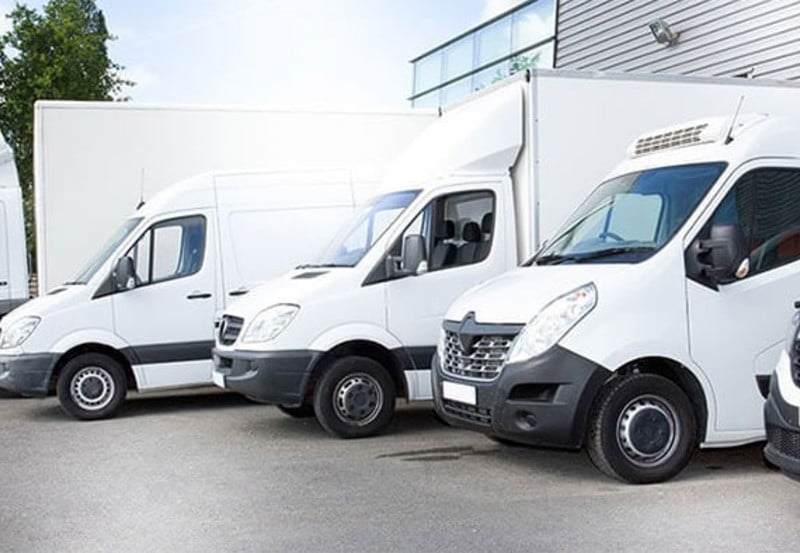
Revving Up Profits: Creative Strategies to Skyrocket Vehicle Sales

Introduction & Background
The automotive industry remains one of the most competitive and dynamic sectors in the global economy. As consumer preferences shift and new technologies emerge, dealerships and manufacturers face the constant challenge of driving vehicle sales while maintaining profitability. In today’s fast-paced market, traditional sales strategies often fall short in capturing attention and converting leads into purchases. Businesses that fail to adapt risk losing ground to competitors who embrace innovation and creativity in their marketing and sales approaches. With the rise of digital platforms and changing buyer behaviors, understanding how to rev up profits through fresh strategies has never been more critical for long-term success in the vehicle sales landscape.
Concept & Overview
The concept of revving up profits in vehicle sales revolves around adopting creative and data-driven strategies to enhance customer engagement, streamline purchasing processes, and maximize revenue per transaction. At its core, this approach emphasizes personalization, digital integration, and value-driven propositions that resonate with modern consumers. Rather than relying solely on price discounts or aggressive sales tactics, successful dealerships focus on building trust, providing exceptional service, and leveraging technology to create seamless buying experiences. The key principles include understanding customer pain points, aligning sales incentives with actual buyer needs, and fostering long-term relationships that encourage repeat business and referrals.
Key Features & Highlights
- Personalized Customer Journeys. Tailoring the buying experience to individual preferences through targeted marketing, customized financing options, and follow-up communication.
- Digital-First Showrooms. Utilizing virtual showrooms, augmented reality (AR) test drives, and online configurators to engage buyers before they step into a dealership.
- Transparent Pricing Models. Implementing clear, upfront pricing strategies that eliminate negotiation stress and build trust with customers.
- Loyalty Programs & Incentives. Offering rewards, referral bonuses, and exclusive membership benefits to encourage repeat purchases and word-of-mouth marketing.
- Data-Driven Sales Techniques. Using customer analytics and predictive tools to identify high-intent buyers, optimize inventory, and refine sales pitches for higher conversion rates.
- Sustainability & Eco-Friendly Options. Highlighting hybrid, electric, or fuel-efficient vehicles to appeal to environmentally conscious consumers and capitalize on growing market trends.
- Post-Sale Engagement. Providing exceptional after-sales service, maintenance packages, and satisfaction follow-ups to ensure customer retention and positive reviews.
Frequently Asked Questions / Pros & Cons
What are the biggest challenges in increasing vehicle sales today?
The primary challenges include intense market competition, rising customer expectations for digital experiences, economic uncertainty affecting purchasing power, and the need to balance inventory with demand. Additionally, dealerships must navigate regulatory changes, supply chain disruptions, and the shift toward electric vehicles, which requires significant investment in training and infrastructure.
How can small dealerships compete with large automotive retailers?
Small dealerships can compete by focusing on personalized service, niche markets, and community engagement. Building strong local brand loyalty, offering unique test-drive experiences, and leveraging social media for storytelling can help level the playing field. Partnerships with local businesses and participation in community events also enhance visibility and trust.
What role does social media play in boosting vehicle sales?
Social media is a powerful tool for reaching potential buyers, showcasing inventory, and building brand awareness. Platforms like Instagram, Facebook, and TikTok allow dealerships to share customer testimonials, behind-the-scenes content, and interactive posts such as polls or quizzes. Paid advertising on these platforms enables precise targeting based on demographics, interests, and behaviors, making it easier to connect with high-intent customers.
Is investing in electric vehicles (EVs) a smart move for dealerships?
Investing in EVs can be a smart long-term strategy, especially as governments implement stricter emissions regulations and consumer demand for sustainable transportation grows. However, dealerships must consider the upfront costs of EV infrastructure, staff training, and inventory management. A phased approach, starting with a selection of hybrid or electric models, can help ease the transition while meeting market demand.
What are the pros and cons of offering extended warranties?
Pros: Extended warranties provide peace of mind to customers, increase dealership revenue, and can differentiate a dealership from competitors. They also help build trust and loyalty by demonstrating a commitment to long-term customer satisfaction.
Cons: The cost of administering warranties can be high, and poorly managed programs may lead to customer dissatisfaction if claims are not handled efficiently. Additionally, some customers may perceive extended warranties as unnecessary, especially if they plan to sell the vehicle within a few years.
Practical Guidance & Solutions
To implement these strategies effectively, dealerships should start by conducting a thorough assessment of their current sales processes and customer experience. Identify pain points such as long wait times, lack of transparency, or insufficient digital tools. Next, invest in technology that enhances the buying journey, such as CRM systems to track customer interactions or AI chatbots to answer common questions instantly.
Training staff to adopt consultative selling techniques rather than transactional approaches can also make a significant difference. Empower your team to listen actively, understand customer needs, and provide tailored solutions instead of pushing generic offers. Additionally, consider partnering with local influencers or automotive bloggers to amplify your dealership’s reach and credibility.
For dealerships looking to expand into the EV market, start by educating your sales team about the benefits and features of electric vehicles. Create informational content for your website and social media channels to address common concerns, such as charging infrastructure and range anxiety. Offering test drives in EVs and partnering with charging network providers can also build confidence among hesitant buyers.
Finally, measure the success of your initiatives through key performance indicators (KPIs) such as conversion rates, customer satisfaction scores, and average transaction value. Regularly review these metrics to refine your strategies and ensure continuous improvement in your sales efforts.
Conclusion
The road to skyrocketing vehicle sales is paved with creativity, adaptability, and a deep understanding of customer needs. In an industry where competition is fierce and consumer expectations are ever-evolving, dealerships must move beyond traditional tactics and embrace innovative strategies that resonate with modern buyers. By personalizing the customer journey, leveraging digital tools, and fostering lasting relationships, businesses can not only rev up profits but also establish themselves as trusted leaders in the automotive market. The future of vehicle sales belongs to those who are willing to innovate, listen, and deliver exceptional value at every touchpoint. Now is the time to accelerate your sales strategy and drive your dealership toward unprecedented success.