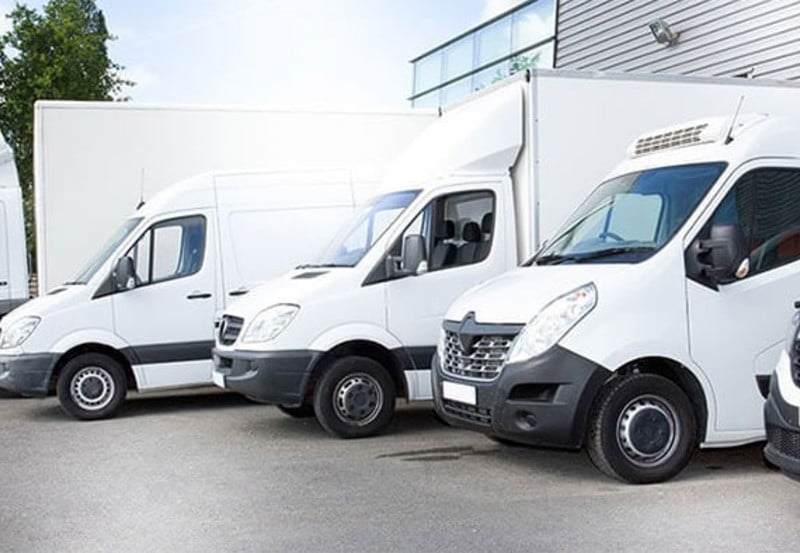
Revving Up the Future: How Cutting-Edge Motor Technology is Redefining Performance and Sustainability
The automotive industry stands at a pivotal crossroads, where the marriage of performance and sustainability is no longer a distant dream but a rapidly accelerating reality. From the roar of high-revving engines to the silent hum of electric powertrains, motor technology is undergoing a transformation that promises to redefine how we drive, how we power our vehicles, and how we protect our planet. This evolution is not merely about speed or raw power anymore, it is about efficiency, innovation, and responsibility. As governments tighten emissions regulations and consumers demand greener alternatives without sacrificing performance, manufacturers are turning to cutting-edge technologies to meet these challenges head-on. The result is a new generation of vehicles that deliver exhilarating driving experiences while minimizing their environmental footprint. Whether it is through advanced combustion engines, hybrid systems, or fully electric drivetrains, the future of motor technology is being written today, and it is a story of balance, ingenuity, and progress.
Introduction & Background
The significance of this technological shift cannot be overstated. For over a century, internal combustion engines (ICEs) have dominated the automotive landscape, offering unparalleled power and driving dynamics. However, their reliance on fossil fuels has contributed significantly to air pollution and climate change. The urgent need to reduce greenhouse gas emissions, coupled with breakthroughs in battery technology and electric motors, has accelerated the transition toward sustainable mobility. Governments worldwide are implementing stricter emissions standards, and cities are banning diesel vehicles in city centers, pushing automakers to innovate rapidly. Simultaneously, performance enthusiasts are no longer forced to choose between speed and sustainability. Today, electric vehicles (EVs) like the Tesla Model S Plaid can accelerate from 0 to 60 mph in under 2 seconds, rivaling the fastest supercars while producing zero tailpipe emissions. This paradigm shift is fueled by advances in motor technology, artificial intelligence, materials science, and renewable energy integration, heralding a new era where performance and environmental stewardship go hand in hand.
Moreover, the shift toward sustainable motor technology extends beyond passenger cars. Commercial fleets, motorcycles, marine vessels, and even aircraft are exploring electric and hybrid solutions to reduce operational costs and emissions. The rise of shared mobility services and autonomous driving further amplifies the demand for efficient, reliable, and intelligent powertrains. In this context, understanding the core principles and innovations driving this revolution becomes essential for consumers, industry professionals, and policymakers alike.
Concept & Overview
The modern motor technology landscape is characterized by a fusion of traditional engineering excellence and futuristic innovation. At its core, the evolution is centered around two primary objectives: enhancing vehicle performance and reducing environmental impact. To achieve these goals, engineers and scientists are leveraging advancements in electric propulsion, digital control systems, advanced materials, and energy storage solutions. The traditional internal combustion engine, once the undisputed king of automotive performance, is now being complemented or even replaced by electric motors that offer instant torque, smoother acceleration, and far fewer moving parts. This transition is supported by the development of high-capacity lithium-ion batteries, solid-state batteries, and innovative charging infrastructure designed to deliver fast and convenient refueling experiences.
Another crucial aspect of this transformation is the integration of smart technologies. Modern motor systems are increasingly equipped with sensors, connectivity features, and artificial intelligence to optimize performance in real time. Features such as regenerative braking, adaptive power delivery, and predictive maintenance are becoming standard in high-end vehicles, enhancing both efficiency and reliability. Additionally, the concept of sustainability in motor technology extends beyond emissions. It encompasses the entire lifecycle of a vehicle, from the use of recycled materials in construction to the recyclability of batteries and components at the end of their life. This holistic approach ensures that performance and sustainability are not mutually exclusive but are instead complementary pillars of a responsible automotive future.
Key Features & Highlights
- Instant Torque and Acceleration: Electric motors deliver maximum torque from the moment the driver presses the accelerator pedal, eliminating lag associated with traditional combustion engines. This results in breathtaking acceleration and a more responsive driving experience.
- Zero Tailpipe Emissions: EVs and hybrid vehicles produce no direct emissions during operation, significantly reducing urban air pollution and contributing to cleaner cities.
- Regenerative Braking: This technology captures kinetic energy during deceleration and converts it into electrical energy, which is stored in the battery. This not only improves energy efficiency but also extends driving range.
- Advanced Battery Technologies: Innovations such as solid-state batteries offer higher energy density, faster charging times, and improved safety compared to conventional lithium-ion batteries.
- Connected and Intelligent Systems: Modern powertrains are integrated with IoT platforms and AI algorithms that monitor performance, optimize energy use, and provide real-time diagnostics to both drivers and service centers.
- Lightweight Materials: The use of carbon fiber, aluminum alloys, and high-strength composites reduces vehicle weight, improving energy efficiency and handling without compromising safety.
- Fast and Wireless Charging: Emerging wireless charging pads and ultra-fast charging stations enable drivers to recharge their vehicles in minutes, making electric mobility more practical for daily use.
- Hybrid Synergy Drives: In hybrid vehicles, the combination of internal combustion engines and electric motors allows for flexible operation, maximizing fuel efficiency in urban driving while providing power for highway speeds.
- Performance Calibration Software: Digital control units allow manufacturers to fine-tune engine and motor performance dynamically, adapting to different driving conditions and driver preferences.
- Sustainable Supply Chains: Leading automakers are investing in ethical sourcing of raw materials, battery recycling programs, and circular economy models to minimize environmental impact across the entire production cycle.
Frequently Asked Questions / Pros & Cons
What are the main advantages of electric motors over traditional combustion engines?
Electric motors offer several key advantages, including higher energy efficiency, lower operating costs, and zero tailpipe emissions. Unlike combustion engines, which lose a significant portion of energy as heat, electric motors convert over 90 percent of electrical energy into motion. This efficiency translates into longer driving ranges per unit of energy and lower fuel costs. Additionally, electric motors have fewer moving parts, which reduces maintenance needs and increases reliability. Instantaneous torque delivery also enhances driving dynamics, making EVs particularly enjoyable in city traffic and on winding roads.
What are the biggest challenges facing the adoption of electric vehicles?
Despite their many benefits, electric vehicles face several challenges. The most significant is battery range and charging infrastructure, especially in rural areas or developing regions. While urban drivers can often rely on home charging, long-distance travel requires a robust network of fast-charging stations. Battery cost remains another barrier, although prices have dropped significantly in the past decade due to economies of scale and technological improvements. Concerns about battery longevity, disposal, and the environmental impact of mining lithium and cobalt also persist. Additionally, the upfront purchase price of EVs is still higher than that of comparable internal combustion vehicles, though this gap is narrowing as more affordable models enter the market.
Can hybrid vehicles offer a balanced solution between performance and sustainability?
Yes, hybrid vehicles strike a compelling balance by combining the benefits of internal combustion engines with electric propulsion. They are particularly effective in urban environments, where frequent stops and low speeds allow the electric motor to operate efficiently. Hybrids reduce fuel consumption and emissions compared to conventional cars while offering the range and refueling convenience of gasoline engines. For performance-oriented drivers, plug-in hybrid models provide the added benefit of electric-only driving modes, delivering silent, smooth acceleration in city centers. However, hybrids are not a perfect solution for long-distance travel, as their fuel efficiency gains diminish on highways where the combustion engine is more heavily utilized.
How do solid-state batteries differ from traditional lithium-ion batteries?
Solid-state batteries replace the liquid electrolyte found in lithium-ion batteries with a solid electrolyte, which enhances safety by reducing the risk of leakage and fire. They also offer higher energy density, meaning more energy can be stored in the same volume, which extends driving range. Charging speeds are typically faster, and the solid construction allows for more compact and lightweight battery packs. Moreover, solid-state batteries are less prone to degradation over time, potentially extending the lifespan of the battery. While still in the early stages of commercialization, solid-state batteries are widely regarded as the next major leap in energy storage technology and are expected to play a critical role in the next generation of electric vehicles.
Practical Guidance & Solutions
For consumers considering the switch to advanced motor technology, understanding your driving habits and local infrastructure is essential. If you primarily drive in urban areas with access to charging stations, an all-electric vehicle may be the ideal choice, offering lower running costs and a smoother, quieter ride. On the other hand, if you frequently travel long distances or live in an area with limited charging options, a hybrid vehicle might offer a more practical transition. Research available models that fit your budget and performance needs, and consider leasing options or government incentives that can reduce the upfront cost of electric vehicles.
When evaluating EVs, pay close attention to battery range under real-world conditions, not just manufacturer claims. Cold weather, aggressive driving, and high-speed travel can significantly reduce range, so it is wise to choose a vehicle with a buffer above your typical daily needs. Also, familiarize yourself with different charging networks and their coverage along your regular routes. Home charging solutions, such as Level 2 chargers, can greatly enhance convenience, especially if you have off-street parking. For those interested in cutting-edge technology, keep an eye on developments in solid-state batteries and wireless charging, which promise to further improve the feasibility of electric mobility.
For fleet operators and businesses, transitioning to electric or hybrid vehicles can not only reduce emissions but also lower fuel and maintenance costs in the long run. Start by conducting an energy audit to assess your fleet’s usage patterns and identify the most suitable vehicle types. Consider investing in telematics systems to monitor driver behavior and optimize routes for maximum efficiency. Additionally, explore partnerships with charging providers to install dedicated stations at your facilities. Governments and municipalities often offer grants or tax incentives for green fleet initiatives, making it financially advantageous to adopt sustainable motor technology early.
Conclusion
The future of motor technology is not just about going faster or farther, it is about moving forward responsibly. As the automotive world continues to embrace electrification, hybridization, and intelligent connectivity, we are witnessing a renaissance in vehicle design and performance. The days of the noisy, smoke-belching engine are giving way to a new era of clean, efficient, and exhilarating transportation. From the track to the highway, from city streets to remote highways, the vehicles of tomorrow are being engineered today to deliver uncompromising performance without compromising the planet. This balance between power and sustainability is the defining challenge, and opportunity, of our time. As consumers, innovators, and stewards of the environment, we all have a role to play in accelerating this revolution. By choosing advanced motor technology, supporting sustainable infrastructure, and advocating for responsible innovation, we can ensure that the future of driving is not only faster and smarter, but greener and more inclusive for generations to come. The road ahead is electric, intelligent, and full of promise.