The Evolution and Functionality of the Combustion Engine
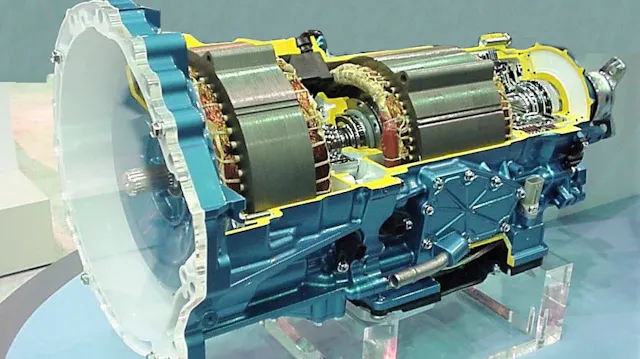
The combustion engine has played a pivotal role in shaping modern transportation, manufacturing, and industrial advancements. From its earliest iterations to the highly efficient versions seen today, this technology has undergone significant transformation. Understanding the fundamentals of how it operates, the various types available, and its ongoing development provides insight into its continued relevance in today’s world.
The Fundamental Mechanics of the Combustion Engine
At its core, a combustion engine operates on the principle of converting fuel into mechanical energy. This process occurs through controlled explosions within the engine’s cylinders, producing power that drives movement. The fuel, typically gasoline or diesel, mixes with air and ignites under high pressure, creating an explosion that forces the pistons downward. This motion transfers energy to the crankshaft, generating rotational force to propel a vehicle or operate machinery.
Internal combustion engines are classified into two primary types: spark-ignition and compression-ignition. Spark-ignition engines, commonly found in gasoline-powered vehicles, use spark plugs to ignite the fuel-air mixture. Compression-ignition engines, which primarily run on diesel, rely on high compression to generate the necessary heat for ignition. Despite differences in ignition methods, both types follow similar thermodynamic cycles, including intake, compression, power, and exhaust strokes, to maintain continuous operation.
Beyond transportation, combustion engines are integral to various applications, from power generation to industrial equipment. Their versatility and adaptability make them indispensable in sectors requiring reliable and efficient energy conversion. However, ongoing advancements continue to refine their efficiency while addressing environmental concerns linked to emissions and fuel consumption.
Innovations and Advancements in Combustion Engine Technology
The evolution of the combustion engine has been marked by continuous improvements in efficiency, power output, and environmental impact. Modern engines incorporate advanced technologies such as turbocharging, direct fuel injection, and variable valve timing to enhance performance while optimizing fuel consumption. These innovations allow for greater power generation with lower emissions, aligning with global sustainability goals.
Hybrid technology has emerged as a crucial development, integrating traditional combustion engines with electric motors to maximize fuel efficiency. This combination reduces overall fuel dependency while maintaining performance, particularly in urban driving conditions. Additionally, alternative fuels such as biofuels and synthetic fuels offer promising solutions to reduce reliance on conventional petroleum-based sources, further minimizing the environmental footprint of combustion engines.
Emissions control systems have also evolved significantly, with catalytic converters and particulate filters playing essential roles in reducing harmful pollutants. Regulations mandating lower emissions have driven manufacturers to develop cleaner-burning engines that comply with stringent environmental standards. Advancements in engine management systems, utilizing sophisticated sensors and electronic control units, further optimize performance and efficiency.
While the push for electrification continues, combustion engines remain a dominant force in transportation and industry. Research into hydrogen-fueled internal combustion engines presents another avenue for reducing carbon emissions while maintaining the reliability and power density associated with traditional engines. As these innovations progress, the combustion engine continues to adapt to modern energy demands and environmental considerations.
The Future Role of Combustion Engines in a Changing Landscape
Despite the growing interest in electric propulsion systems, the combustion engine maintains a significant presence in global transportation and industrial applications. Infrastructure limitations, energy storage challenges, and cost factors make full electrification a complex transition. Consequently, advancements in cleaner combustion technologies remain a priority for industries reliant on conventional engines.
Hydrogen combustion engines have gained attention as a potential alternative, offering near-zero carbon emissions while utilizing existing engine architectures. Unlike fuel cell electric vehicles, hydrogen combustion engines operate similarly to conventional engines, making them a feasible solution for industries requiring high power output and long-range capabilities. Ongoing research focuses on optimizing combustion efficiency and minimizing nitrogen oxide emissions to enhance their viability.
Synthetic fuels, produced from renewable energy sources, present another opportunity for sustaining combustion engines while reducing environmental impact. These fuels can be used in existing engines without modification, providing a seamless transition toward cleaner energy solutions. As global efforts to reduce carbon footprints intensify, the role of combustion engines in hybrid and alternative fuel applications will continue to evolve.
Understanding the resilience and adaptability of the combustion engine highlights its enduring significance. While the shift toward alternative energy sources accelerates, innovations in combustion technology ensure that these engines remain integral to various sectors. As advancements unfold, the combustion engine will persist as a vital component in the ever-changing landscape of energy and transportation.